01/7
An Overview?
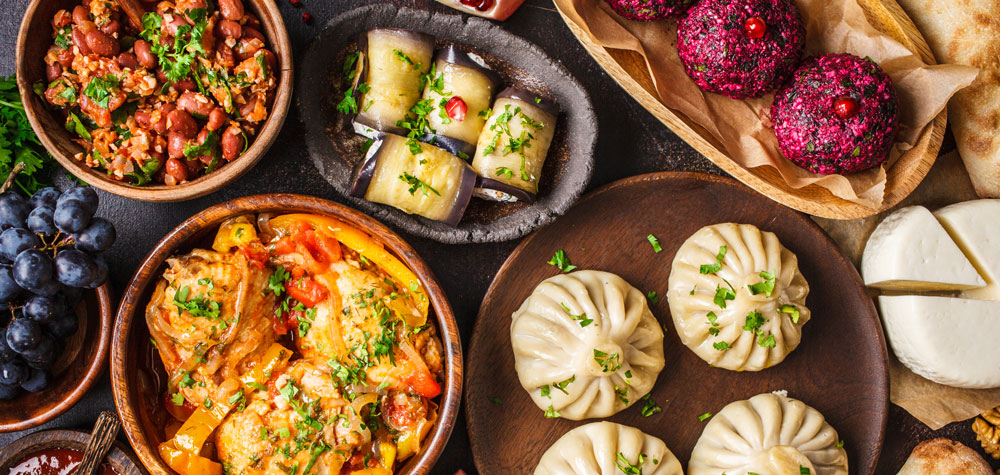
Are you familiar with the distinction between continental and oriental cuisine? Each cuisine worldwide possesses a unique identity that reflects its region, traditions, and culture. Vaibhav Bhargava, corporate chef at Molecule Air Bar, explains that cuisine is characterized by specific ingredients, techniques, and dishes associated with a particular culture or geographic area. While there may be similarities in ingredients and preparation methods, it does not mean they have the same origin, such as oriental and continental food. Although often mistaken as one, continental and oriental cuisines are distinct and differ based on the regions they originate from. Let's explore the key differences and unique selling points of these two culinary styles.
02/7
What is Oriental food?
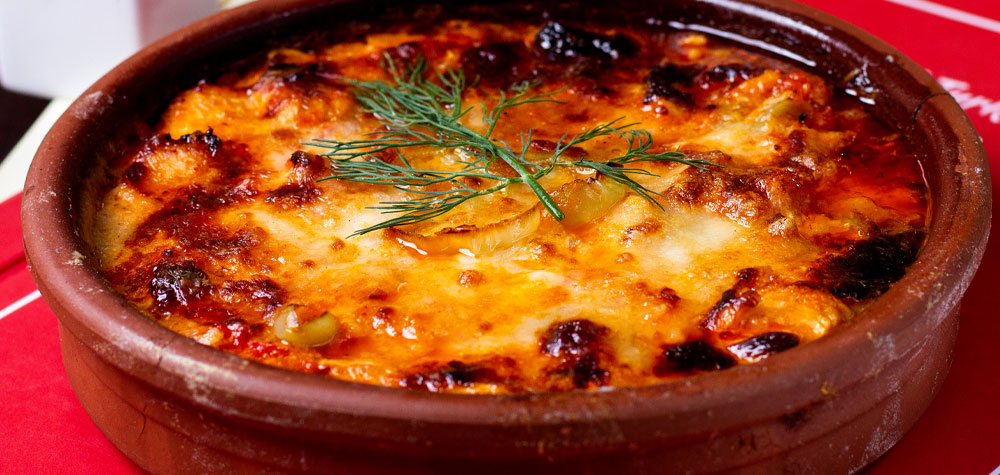
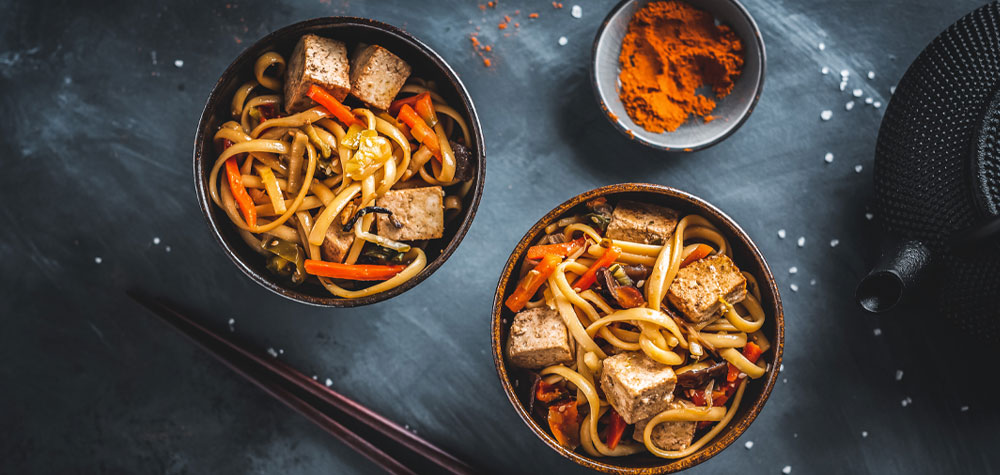
Oriental food encompasses meals that originate from Southeast Asian countries such as China, Korea, and Japan. These cuisines are known for their abundance of spices and dried ingredients like apricots and plums. Stir-frying, boiling, and quick frying is the primary cooking methods utilized in oriental cooking, along with the widespread use of fermented sauces and pickled products
03/7
What is Continental food?
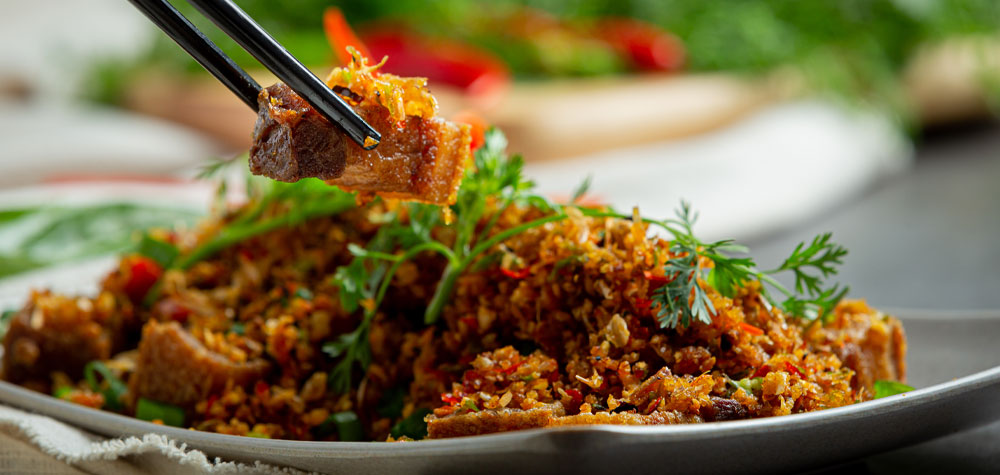
Continental cuisine encompasses the dishes made and enjoyed in European countries, such as France, Spain, and Italy. This type of food is known for its focus on ingredients like olive oil, wine, and herbs, while spices are used sparingly. Cooking techniques in continental cuisine include frying, roasting, and baking. Furthermore, continental food is renowned for its richness and often higher calorie content.
04/7
Source of influence

As per the chef, Oriental food draws heavily from Asian cooking practices, whereas continental food originates from European culinary traditions.
05/7
Use of spices
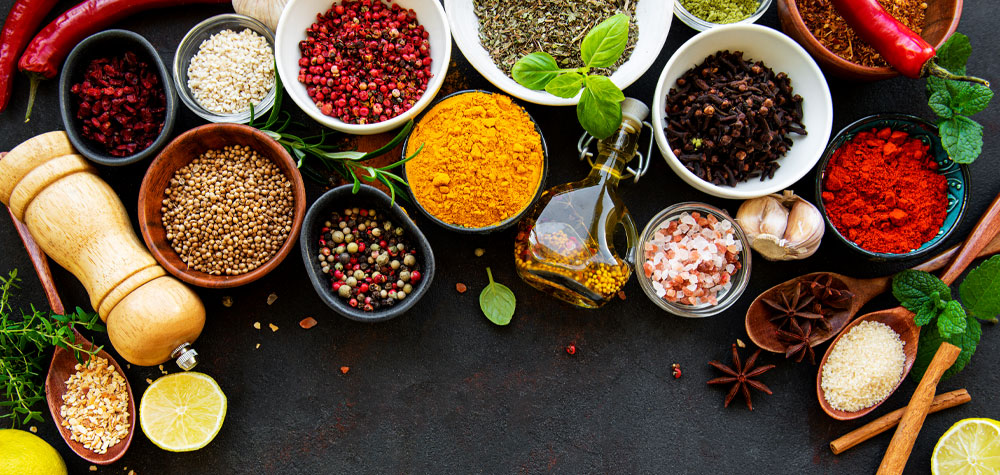
In oriental cuisine, spices are prominently featured and used in generous amounts, while in continental cuisine, the use of spices is minimal.
06/7
Use of sauces
In oriental cuisine, the sauce is an integral component of the dish, whereas in continental cuisine, it is utilized more as a seasoning or condiment.
07/7
Verdict
Gaining an understanding of the intricacies and reasoning behind the methods and processes of each cuisine, while considering climatic conditions, will help ensure accurate ordering in the future.